

Car Brake Warning Signs: Sounds, Pedal Feel, and Stops
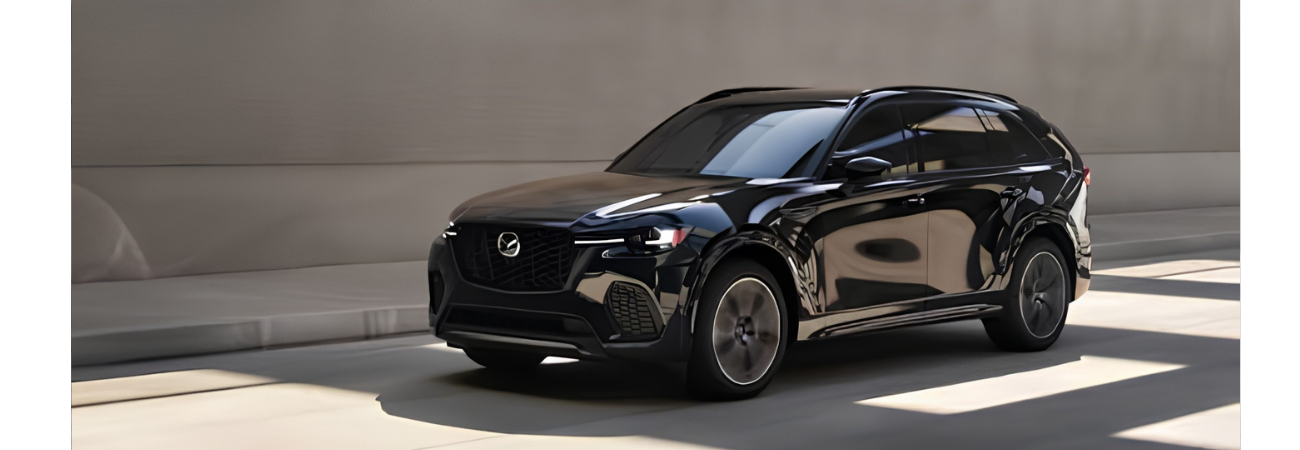
Brake trouble can show up through unusual sounds, pedal changes, dashboard lights, or longer stops before the brakes fail. Recognizing car brake warning signs early gives you a chance to address a problem before it becomes a safety risk.
For Springfield, Ohio, drivers, changes in familiar braking behavior deserve attention. Our team of specialists at Bill Marine Mazda can help you understand your car brake warning signs, diagnose problems, and make repairs.
Start by noticing what's different whenever you slow down.
Key Takeaways
New brake noises, pedal changes, warning lights, pulling, shaking, or longer stopping distances deserve attention.
A symptom alone doesn't identify which brake component has a problem. Describe when it happens and what changed so a technician can inspect the system.
A soft or sinking pedal, a major loss of braking power, or a red brake warning light that stays on needs immediate professional attention.
Topping off brake fluid doesn't explain why the level changed or fix an underlying problem. Arrange a brake inspection instead of waiting for scheduled maintenance.
Brake warning signs you shouldn't ignore: sounds, feel, and stopping distance
Pay attention to new noises, unfamiliar pedal resistance, warning lights, and changes in how your vehicle stops. Pulling to one side or shaking during braking also deserves attention.
Several symptoms can appear together. However, one symptom alone doesn't prove that a particular part has failed.
What a brake warning light and fluid changes can mean
Low brake fluid or a visible fluid leak needs prompt professional attention. Note when the brake warning light appeared and whether anything changed in the way the car brakes.
If you've noticed a fluid spot, describe its location to the service team. You don't need to identify the fluid yourself.
Topping off brake fluid isn't a repair. Adding fluid doesn't explain why the level changed or address an underlying problem. A brake inspection helps the technician assess the brake system and find the cause.
When a brake problem needs immediate attention
A soft or sinking pedal, a major loss of braking power, or a red brake warning light that stays on needs immediate professional attention. These changes deserve priority over a routine maintenance visit.
Tell the service team when the change started and whether it happens consistently. Also mention any accompanying sound, shaking, or pulling.
You don't need to know the cause before asking for help. Our specialists can evaluate the concern and explain the repairs needed after inspecting the vehicle.
What brake noises may be telling you
Brake sounds vary in pitch, timing, and frequency. Those details help describe the problem, but the sound itself doesn't establish a diagnosis.
A sudden change deserves attention, even if braking still feels familiar.
Squealing and squeaking can be an early warning
A brief squeak can have several causes, so don't assume it points to one particular component. Notice whether the squealing repeats, gets louder, or occurs during most stops.
Timing is useful information. Mention whether you hear the noise after the vehicle sits overnight, during light braking, or throughout a drive.
An inspection can assess the brake pads, brake rotors, and other components. That gives you a clearer basis for a repair decision than replacing parts based on a squeal alone.
Grinding, clunking, or scraping should not be ignored
Grinding, clunking, scraping, or a new clicking sound calls for prompt inspection. Describe the noise plainly rather than trying to name the part responsible.
Also explain whether it happens when you press the pedal, release it, or turn. If the vehicle pulls, shakes, or takes longer to stop, mention those changes together.
A specialist can inspect the brakes and related components before recommending repairs. Several concerns can produce similar sounds, so a thorough description helps guide the inspection without replacing it.
How brake pedal feel and stopping distance reveal trouble
You become familiar with your brake pedal through everyday driving. A noticeable change in resistance, pedal travel, or stopping response deserves attention, even without an unusual noise.
A soft, sinking, hard, or vibrating brake pedal
Describe a change in terms of what you feel. A soft brake pedal offers less resistance than you're used to. This can feel like a spongy brake pedal. A sinking pedal continues moving downward under steady pressure.
A hard pedal requires more effort, while vibration feels like movement or pulsing through your foot. None of these sensations identifies the cause by itself.
Rather than attempting a home diagnosis, have the system inspected. Tell the technician if you have a spongy brake pedal, whether the sensation happens at every stop or only under certain conditions, and whether it started suddenly.
Why longer stopping distances matter
Needing more room to stop is a serious warning, even if no dashboard light appears. Your vehicle's response matters as much as what the instrument panel displays.
Speed, road conditions, tire condition, and vehicle load also affect stopping distance. However, a new change during familiar driving deserves professional attention.
Describe what changed without trying to measure it through repeated braking tests. Mention whether you need more effort or whether the car slows less readily than before. Those observations help communicate the concern.
What to do when your car shows brake warning signs
Arrange a brake inspection rather than waiting for your next scheduled maintenance visit. When you contact the service team, explain the main symptom first, then describe when it happens.
Share when the concern began, whether it happens consistently, and any recent changes in braking response. If a warning light appears, include its color and displayed message.
Bill Marine Mazda provides brake repair in Springfield, Ohio. Our specialists can inspect your vehicle, diagnose the issue, and explain the recommended brake repair.
You'll find us at 420 E Columbia Street, Springfield, OH 45503. Call our service department at 937-346-8662, or request a brake inspection online. After you submit the appointment form, a customer service specialist will contact you.
An inspection can assess component condition and identify what needs attention before you authorize repairs.

Frequently Asked Questions
What should I do if my brake warning light comes on?
Note when the light appeared and whether the way your car brakes changed. A red brake warning light that stays on needs immediate professional attention.
Do squealing brakes mean I need new brake pads?
A squeal can have several causes, so the sound alone doesn't confirm that the brake pads need replacement. Notice when the noise happens and whether it repeats or gets louder, then arrange an inspection.
When does a brake pedal problem need immediate attention?
A soft or sinking pedal, or a major loss of braking power, needs immediate professional attention. Tell the service team when the change started and whether it happens consistently.
Why should I arrange a brake inspection if my car takes longer to stop?
A new increase in stopping distance deserves professional attention, even if no dashboard light appears. Speed, road conditions, tire condition, and vehicle load can affect stopping distance, so describe what changed during familiar driving.
Give Brake Changes Attention Early
Unusual sounds, changes in pedal feel, warning lights, and longer stops are reasons to act early. You don't need to identify the failed part before seeking help.
Our team of specialists at Bill Marine Mazda can diagnose brake concerns and complete needed brake repair. Have your brakes checked before a small issue becomes a safety risk.