CX-70 PHEV in Ohio: Home Charging Setup and Real Running Costs
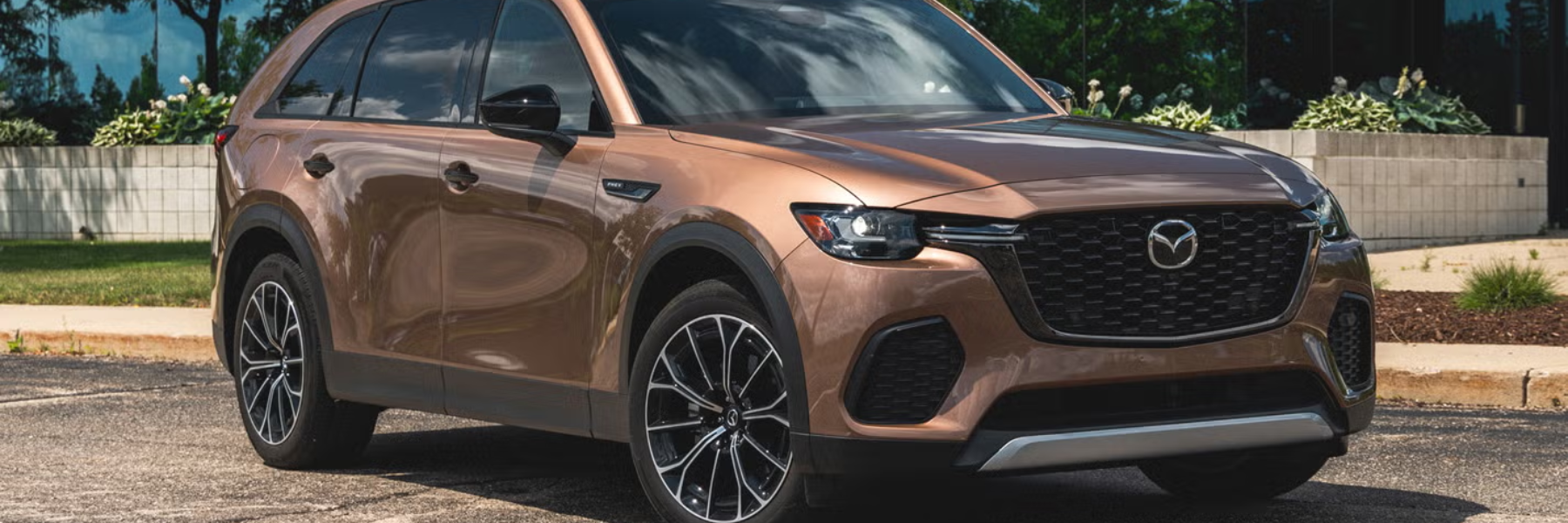
In Springfield, lower fuel costs sound great, but only if charging at home feels easy. That's why so many Mazda drivers shopping for a CX-70 PHEV want real numbers, not brochure talk.
The good news is simple. You can charge the Mazda CX-70 PHEV at home, and for most Ohio households, the setup is pretty straightforward. Your total cost depends on three things, electricity rates, charging habits, and how often the gas engine takes over. Let's make that practical.
How home charging for the CX-70 PHEV works in a typical Ohio garage
Home charging comes down to two common choices, Level 1 and Level 2. Both do the same job. They refill the battery. The difference is speed, convenience, and what your home needs to support them.
For many Springfield-area owners, the first step is not buying fancy equipment. It's checking where the vehicle will park, how far that spot is from the panel, and whether daily driving is short enough to live with slower charging. That simple check tells you a lot before you call an electrician.
Level 1 charging is the easiest place to start
Level 1 uses a regular 120-volt household outlet. In other words, it's the most familiar option because it plugs into the kind of outlet you already have in a garage or near a driveway.
That makes it appealing for drivers with shorter commutes, overnight parking, and no rush to refill the battery quickly. If your day-to-day driving is light, Level 1 can be enough. You come home, plug in, and let the vehicle charge while you sleep.
The tradeoff is time. A plug-in hybrid battery is much smaller than a full EV battery, but Level 1 still charges at a slow pace. So, if you use most of the battery each day, you may not wake up to a full charge as often as you'd like.
Still, Level 1 has one big advantage. Upfront cost is often low, or even close to zero, if you already have a safe outlet where you park.
Level 2 charging makes daily use simpler
Level 2 uses a 240-volt connection, similar to what many homes use for an electric dryer. Because it supplies more power, it can recharge the CX-70 PHEV much faster, often in just a few hours instead of stretching deep into the night.
For that reason, many Mazda drivers prefer Level 2. It fits busy routines better. You can run errands, come home, plug in, and head back out later with more electric range ready to go.
Most homes need a dedicated 240-volt circuit for this setup. You'll also want to think about charger location, cord reach, and whether the unit will sit inside the garage or outdoors. A licensed electrician should handle the installation, especially if your panel is older or the wiring run is long.
If you plan to charge often, Level 2 usually feels less like a project and more like part of your routine.
What it costs to set up home charging for a CX-70 PHEV
Home charging costs are usually easier to plan than people expect. The bill has three parts, the charger itself, the electrician's labor, and any home upgrades needed to support the job.
In Ohio, those totals can vary a lot from house to house. A newer home with an open panel slot and a short wiring path may cost much less than an older property with a packed panel and a detached garage.
Expected equipment and installation price ranges
If you stick with Level 1 and already have a properly located outlet, setup cost may be little to none. That's the cheapest path, although it also gives you the least convenience.
Level 2 is where budgeting matters more. Many wall chargers fall somewhere around $350 to $700, though some cost more. Installation can range from roughly $500 to $2,000 or higher, depending on the home. So, many owners might spend about $900 to $2,500 for a typical Level 2 setup, but some jobs land below or above that range.
Several things can push the price up. Older electrical panels may need work. Long wire runs add labor and materials. Outdoor mounting can raise weatherproofing costs. Permits may also add to the final total, depending on the job.
That's why it pays to get a few quotes from qualified electricians before buying a charger.
Questions to ask before you buy a charger
Before you pick a unit, check a few basics:
- Can your electrical panel handle a new 240-volt circuit?
- Do you want a plug-in charger or a hardwired one?
- Where will the vehicle park most of the time?
- Will the charger sit outside and face rain, snow, or ice?
- Are there utility rebates or tax credits that could lower your cost?
Those answers can save money and prevent a second installation later.
What the CX-70 PHEV costs to run in Ohio, electric driving versus gas driving
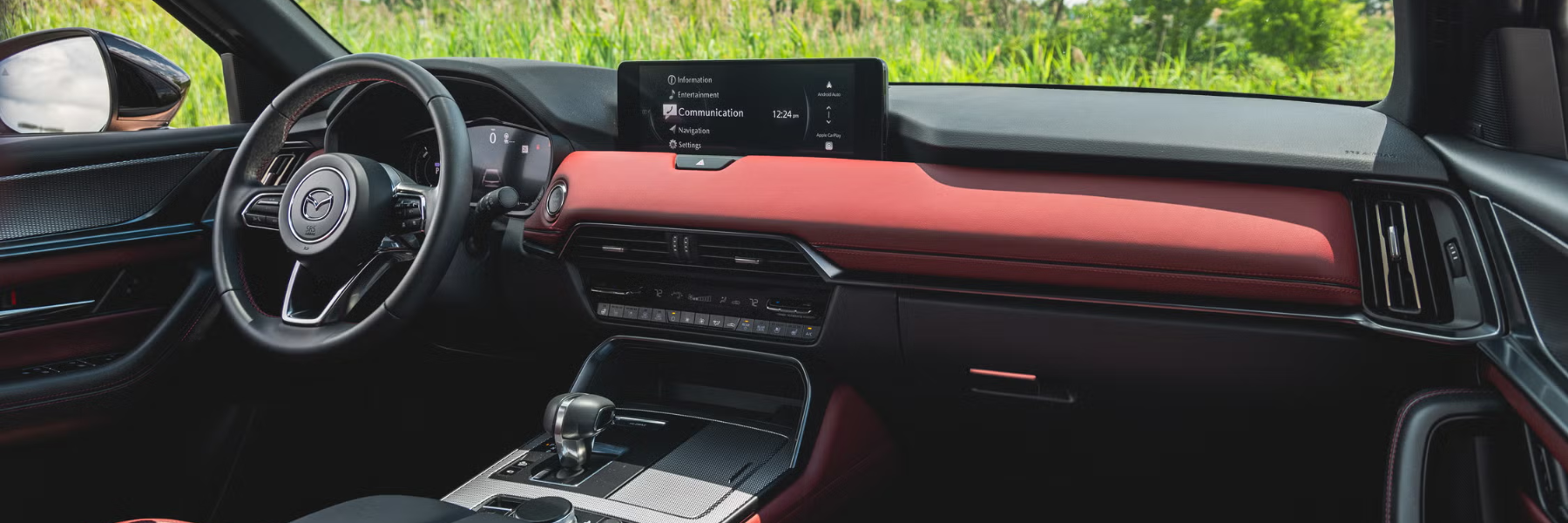
Here's the part most shoppers care about. How much does it cost to run? The short answer is that home charging is often cheaper than buying gasoline for the same daily use, but the gap depends on how often you plug in.
A simple way to think about it is this: the more you use the battery for local trips, the more likely you are to see lower day-to-day operating costs. On the other hand, if you skip charging and rely on the gas engine most of the time, you lose much of the plug-in advantage.
When a plug-in hybrid can save money, and when it may not
Savings are usually strongest for drivers who charge at home and take lots of short to medium trips around Springfield and nearby towns. In that kind of routine, the electric side does more of the work, so gas stops happen less often.
However, the gas engine still matters. Long highway drives, cold Ohio winters, towing, and heavy acceleration can reduce electric use and raise fuel costs. The same is true if you rarely plug in at home. Then the vehicle behaves more like a traditional hybrid, which can still be efficient, but usually not as cheap to run as regular home charging.
Think of it like a coffee maker on your counter. If you use it every morning, it saves money fast. If it sits unplugged, the value never shows up.
For many local buyers, that balance is exactly why a plug-in hybrid makes sense. You get electric driving for daily life, plus gasoline backup for longer trips.
Home charging for a CX-70 PHEV is usually manageable, and Level 2 often makes ownership much easier. For many Ohio households, the running costs can be lower than expected, especially when regular local driving happens on battery power.
That's why clear answers matter before you buy. Mazda drivers should feel comfortable asking about charging setup, electric costs, and how the CX-70 PHEV fits real Springfield driving.
If you want straightforward help, contact Bill Marine Mazda and talk through the numbers with a team that understands local ownership costs.