

How a Full Circle Inspection Helps Plan Mazda Repairs
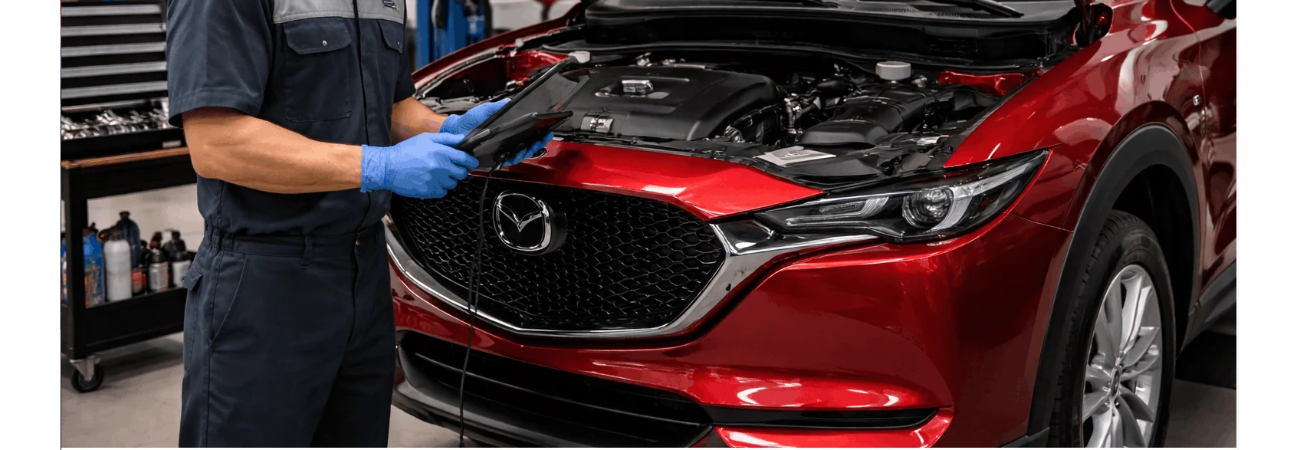
An unfamiliar noise or a warning light can leave you unsure whether your Mazda needs immediate attention. A vehicle inspection gives you a clearer picture of its condition and helps you set clear priorities for repairs.
For Springfield, Ohio, drivers, that means understanding which findings affect safety and which may need attention later. The process starts with a careful evaluation, followed by a conversation about what the findings mean for your vehicle.
Key Takeaways
A Full Circle Inspection checks accessible components such as tires, brakes, lights, the battery, belts and hoses, fluid levels, steering, and suspension. Hidden faults may require additional testing.
During the inspection, describe when symptoms occur and ask what each finding means. The report should explain what the technician found, why it matters, and what to do next.
Address safety-related concerns promptly. Ask whether it's safe to keep driving and what could happen if you postpone a repair.
Request a written estimate that lists parts, labor, diagnostic charges, and expected repair time. Repairs are separate from the inspection and require your approval.
What Happens During a Full Circle Inspection?
During the inspection, visual and functional checks cover accessible components. The exact checklist can vary by shop and vehicle, so ask what it includes.
The Mazda Full Circle Service inspection from Bill Marine includes a report card detailing items that may need attention now or in the future.
The technician checks key systems and visible wear
Commonly checked areas include tires, brakes, lights, the battery, belts and hoses, fluid levels, steering, and suspension. Depending on the component, the technician looks for visible damage, wear, leaks, or signs that something isn't working correctly.
For example, uneven tire wear can prompt a closer look at related components. Low fluid levels may also call for further evaluation rather than a refill alone. Checks depend on your vehicle and the shop's process. Hidden faults may require targeted testing beyond these checks. If the inspection raises a concern, ask what follow-up evaluation is needed.
You can share symptoms and ask questions
Describe when a noise, vibration, warning light, or handling change occurs. Mention whether it happens during braking, after starting the engine, at highway speeds, or only when turning.
Those details help the technician focus the evaluation. Also, share recent repairs or changes in how the vehicle drives.
When needed, the technician may use engine diagnostics to scan for trouble codes. A road test or additional diagnostic work may be necessary to confirm the cause of a concern.
How Inspection Findings Help You Plan Mazda Repairs
An inspection report becomes useful when you understand each recommendation. The explanation should connect three things: what the technician found, why it matters, and what the next step could be.
Separate urgent safety needs from items to monitor
Brake, tire, and steering concerns can affect safe driving, so they deserve prompt attention. The specific condition determines the response: a worn component and a failed component may need different timelines.
Ask whether you can safely continue driving and what could happen if you postpone the repair. Some wear items can be monitored between visits. Others need attention before you return to normal driving. Follow the technician's advice about safety-related work.
Use the report to compare timing and costs
Request a written estimate and the expected repair time. If the cause hasn't been confirmed, ask whether more testing is needed before the technician recommends a repair.
Plan approved work around your budget and driving needs. Grouping nonurgent routine maintenance into a future visit may help manage expenses, but don't delay work that affects safety or risks further damage.
Keep the documented findings with your service records. At your next visit, they provide a starting point for discussing previously noted wear.
What Springfield Mazda Drivers Should Ask Before Approving Repairs
Before authorizing work, make sure the recommendation addresses your concerns and explains the inspection findings. Useful questions include:
What did the service visit cover, and which findings are confirmed?
Which repairs need attention first, and why?
Does the estimate include parts, labor, and any diagnostic charges?
Will you contact me before performing additional work?
If I'm buying a used car, do I need a separate pre-purchase inspection?
Repair costs vary with your vehicle's model, year, condition, and required work. Recommendations should relate to your vehicle's findings, not mileage alone.
At Bill Marine, our Mazda service and repair team handles brake repair, engine diagnostics, batteries, belts, hoses, and other maintenance needs. We're at 420 E Columbia Street in Springfield. We can discuss your findings and explain recommended repairs before you approve them.
Frequently Asked Questions
How long does a Full Circle Inspection take?
Timing depends on the vehicle, the checklist, and whether the visit includes additional diagnostic work. Describe your concerns when booking so the service team can account for the evaluation your vehicle may need.
Does an inspection include repairs?
A check identifies concerns, while repairs are separate work. Before repairs begin, the service team should explain the recommended work and get your approval. The report itself doesn't authorize replacing parts.
Can I get a check if my Mazda has no warning lights?
Yes. Tires, belts, hoses, and other components can show visible wear without triggering a dashboard warning. The evaluation can identify some maintenance needs, although it won't reveal every developing problem.
Should I ask for a second opinion?
Yes, especially if a costly recommendation remains unclear after you've asked questions. Request a copy of the findings and estimate so another qualified technician can evaluate the same concern. Avoid driving if the vehicle has been identified as unsafe.
Turn Inspection Findings Into a Clear Repair Plan
A Full Circle Inspection helps you understand your vehicle's condition and prioritize recommended work. Address safety concerns first, then schedule other repairs based on their condition and likely consequences.
Springfield-area drivers can request a service appointment with Bill Marine Mazda to discuss symptoms, findings, and repair needs. Leave the conversation knowing what needs attention and why.