How to Read a Vehicle History Report and Spot Red Flags

A vehicle history report is a snapshot of a car's past. It pulls together records tied to the title, mileage, accidents, ownership, and sometimes service visits.
For used car shoppers in Springfield, Ohio, that matters because a good deal can turn expensive fast. A report can reveal vehicle red flags, but only if you read it with care instead of treating it like a final verdict.
A clean-looking report can still have gaps, and a rough-looking report can have a reasonable story behind it. Start with the basics, then use the report to ask better questions before you buy.
Start with the details and make sure they match the car
Before you study damage or service history, confirm the report belongs to the exact car in front of you. Check the year, make, model, trim, color, and body style. If the report says hatchback and the car is a sedan, stop right there.
A mismatch can mean the wrong report was pulled. It can also point to paperwork problems or a car that needs a much closer look.
Check the VIN and title info first
The VIN should match in three places, the report, the paperwork, and the car itself. Look at the lower corner of the windshield on the driver's side, then check the driver's door jamb sticker. The numbers should line up exactly.
Next, read the title status right away. Title issues affect value, insurance options, and resale. If the seller seems unsure about the title, slow down and verify everything before moving forward.
Use ownership history to spot patterns, not just the number of owners
People often chase one-owner cars, but the number alone doesn't tell the whole story. A car with two careful long-term owners can be a better buy than a one-owner car with poor care.
Look at how long each owner kept it. Short ownership periods, repeated resales, or quick flips can be vehicle red flags. Also check how the car was used. Personal use, lease use, rental use, and fleet use can each tell a different story about wear.
Look closely at accidents, damage, and title brands
This is the section many buyers skim, and it's often the most important one. A report may list accidents, damage reports, insurance claims, or title brands. Read each entry slowly. A clean report does not prove a clean car. It only shows what was reported.
Understand what accident listings really mean
A reported accident doesn't always kill the deal. What matters is the detail. Look for where the damage happened, how severe it was, and whether airbags deployed.
Front-end damage can affect cooling systems, sensors, and alignment. Side damage may involve doors, pillars, or airbags. Rear damage can be minor, or it can reach the frame. If the report mentions frame damage, structural damage, or airbag deployment, take that seriously.
Also look for repair records or photos. If the seller can show clear repair paperwork from a reputable shop, that helps. If the story is vague, or the body panels still look uneven, move with caution.
Know the difference between a clean title and a branded title
A clean title means the state has not branded the vehicle. It does not promise the car never had damage.
A salvage title usually means an insurer declared the car a total loss. A rebuilt or reconstructed title means the car was repaired after that loss and put back on the road. A flood brand points to water damage, which can lead to rust and electrical trouble months later. A lemon buyback means the manufacturer repurchased the vehicle after repeated defects.
These brands don't make a car impossible to buy, but they change the risk. In many cases, financing gets harder, insurance costs more, and resale value drops.
Read mileage and service records for signs of care

Mileage and maintenance history often tell you more than a polished exterior. Odometer readings should move upward in a steady pattern over time. Service entries should make sense for the age and use of the car.
Spot mileage gaps or odometer problems
Watch for mileage that goes backward, jumps too far between dates, or disappears for long stretches. Those are classic vehicle red flags. They can point to an odometer problem, bad data entry, or missing records.
Compare the mileage on the report to the odometer in the car. Then compare both to oil change stickers, inspection receipts, and service invoices if the seller has them. One typo can happen. A pattern of odd numbers deserves more attention.
Look for proof of routine maintenance
Routine care leaves a trail. Oil changes, tire rotations, brake service, battery replacement, and inspections all help show a car was looked after.
Steady service records are a good sign because they support the car's condition today. Long gaps don't always mean neglect, since some owners use independent shops or do their own work. Still, if the report is thin, ask for receipts. If there are none, assume you may be catching up on missed maintenance after purchase.
Know the warning signs that should make you pause
Some reports raise one concern. Others stack problems on top of each other. That pattern matters.
Common warning signs include:
- Frequent owner changes over a short period
- Mileage that doesn't rise in a logical way
- Missing or spotty service history
- Flood, salvage, or rebuilt branding
- Repeated accidents or multiple damage entries
- Little history at all, especially on an older car
Separate minor issues from serious problems
A small parking-lot bump is different from structural damage. A few missing service entries are different from years of silence paired with strange mileage.
One issue may be manageable. Several together are a reason to slow down, ask more questions, and line up an inspection before you commit.
What the report can't tell you, and what to do next
A vehicle history report has limits. It won't show every scratch, every worn suspension part, or how the transmission feels on a cold morning. It also won't catch every accident or repair, because not every event gets reported.
So use the report as a starting point. Ask the seller about gaps, past repairs, and why they're selling. Take a real test drive on city streets and faster roads. Then get a pre-purchase inspection from a trusted mechanic.
If you want a useful benchmark, Mazda Certified Pre-Owned standards can show how a history report and a full inspection work together. That extra context can help when you're comparing private-party cars or older trade-ins.
Final thoughts
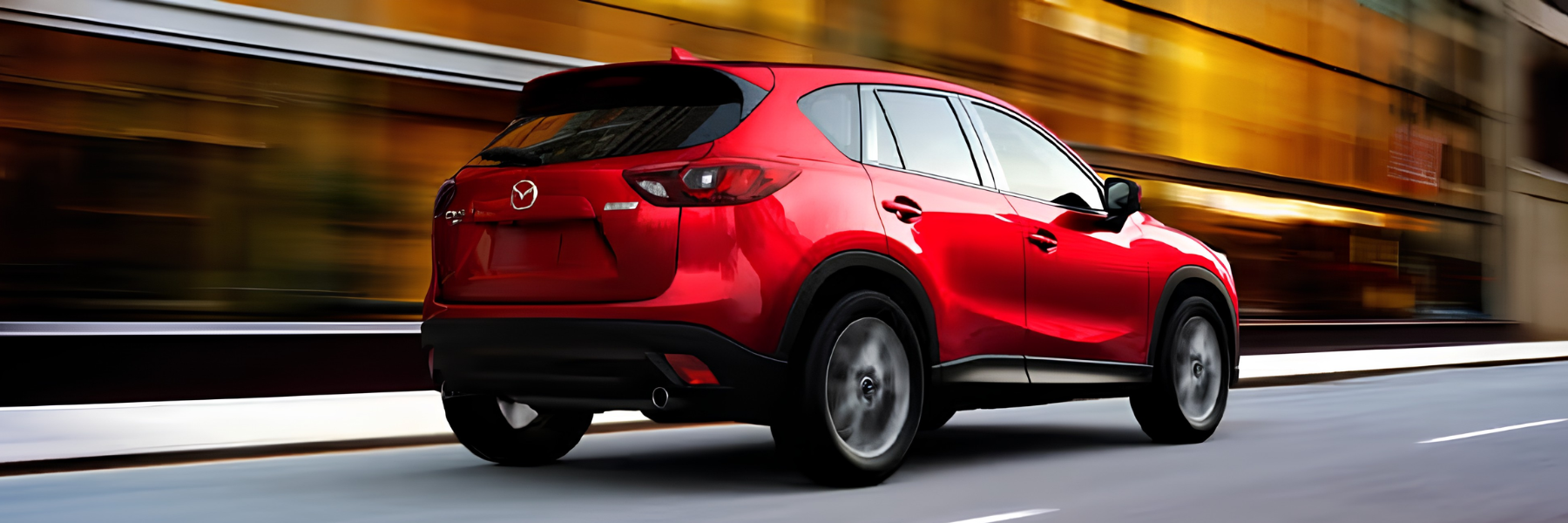
A vehicle history report is a tool, not the final answer. It helps you spot vehicle red flags early, before they cost you money, time, and stress.
Read the report line by line. Match it to the car, ask direct questions, and get an inspection before you buy. When the car and the history both make sense, you can sign with a lot more confidence.