

Lease vs. Finance for Low-Mile Drivers
If you drive only a few thousand miles each year, you face a different vehicle-buying decision than a daily commuter. Lease vs finance can look simple when comparing monthly payments on a worksheet. The smarter choice depends on how long you want the vehicle, your monthly budget and down payment, and how much vehicle ownership matters to you.
Low mileage can make a lease appealing, especially when you want a newer vehicle under warranty. Still, financing may cost less over a longer ownership period. These simple examples can help you compare the numbers before you visit the dealership.
Key Takeaways
Low annual mileage can make leasing appealing, but unused lease miles typically don't create a refund or eliminate other contract charges.
Leasing may provide a newer vehicle, predictable payments, and warranty coverage, while financing builds equity and removes mileage restrictions after payoff.
Compare total cost of ownership, including the amount due at signing, interest or money factor, taxes, fees, insurance, maintenance, and possible lease-end charges.
Leasing may suit drivers who change vehicles every few years, while financing often makes more sense for those who plan to keep a vehicle for seven years or longer.
Your expected ownership period, budget, credit terms, driving needs, and available incentives matter more than low mileage alone.
Lease vs. finance for low-mile drivers: how each option works
Financing uses an auto loan to buy a vehicle. You may make a down payment, then pay the loan balance, finance charges, interest, taxes, and fees over a set term. Once you make the final payment, the vehicle is yours.
Leasing means paying to use a vehicle for a fixed period, often 24 or 36 months. At the end, you can return it, use the purchase option, or sometimes start a new lease. The lease agreement specifies mileage limits, any early termination fee, and rules for excess wear and tear.
A low-mile driver might use only half of a lease's annual allowance. That doesn't remove the cap, and unused miles usually don't create a refund. Read the contract before signing, including its service, return, and early termination terms.
What a low-mile lease payment really covers
A lease payment largely covers the vehicle's expected car depreciation during the term. It also includes rent charges, taxes, and fees.
For example, suppose a $32,000 vehicle has an estimated value of $21,000 after three years. The payment is based mainly on that $11,000 decline in value, not the full $32,000 price.
Your actual quote can change based on the money factor, a lease financing measure comparable to a borrowing rate, residual value, credit score, credit history, and available offers. A lease can lower the payment, but it doesn't automatically cost less overall.
What financing builds over time
With a loan, each payment covers part of the vehicle price plus interest, taxes, and fees. Over time, you build equity, which is the difference between what the vehicle is worth and what you still owe.
A $32,000 vehicle financed for 60 months can have a higher payment than a lease, depending on the interest rate. However, after the final payment, you own it and can drive without mileage restrictions.
Early loan payments often include more interest. Later payments reduce the principal faster, so your ownership stake grows more quickly.
Which choice saves more for drivers who barely drive?
Low annual mileage can favor a lease because you pay for a limited term and expected car depreciation. Driving less doesn't eliminate that depreciation cost.
Over three years, the lease requires lower monthly payments and less cash each month. However, the finance customer continues paying for two more years, then may have several years without a car payment. That later period can change the long-term math.
Compare more than the advertised payment. Use a total cost of ownership analysis. Include the amount due at signing, taxes, finance charges, the acquisition fee, documentation fees, insurance, fuel, maintenance, and possible lease-end charges, including a disposition fee. Manufacturer incentives can also change advertised lease or finance offers. A newer leased vehicle may have warranty coverage, while an older owned vehicle may need repairs. A lower monthly payment can cost more over time if you repeatedly lease and never reach a payment-free ownership period.
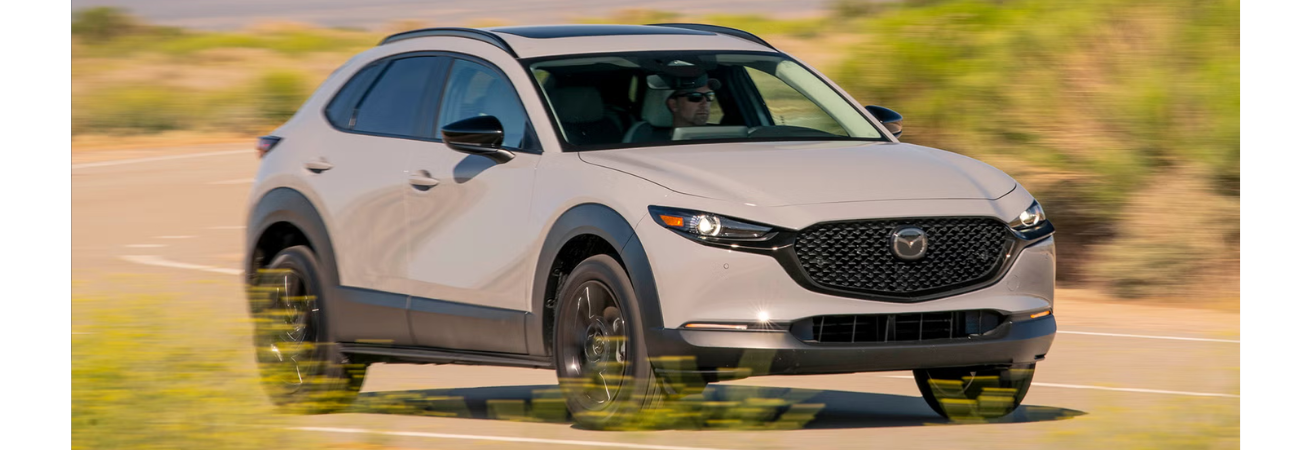
For shoppers comparing a compact crossover, CX-30 features and ownership costs can also help frame insurance and long-term budget questions.
When leasing can be the better fit
Leasing may fit you well if you prefer a newer vehicle every few years and want predictable payments. It also works for drivers who stay well below the mileage limits and value factory-backed protection.
You avoid the work of selling or trading an older vehicle. At the end, you can return the vehicle, use the purchase option, or lease another one. Ending the contract early may trigger an early termination fee. You must also keep the vehicle in good condition and follow required maintenance. Excess wear and tear, missing equipment, and mileage overages can add charges at return.

When financing makes more sense
Financing often makes sense when you plan to keep your vehicle for seven years or longer. Long-term financing can help you keep the vehicle beyond the loan term. You gain equity, can customize the vehicle within legal limits, and don't need to track lease mileage.
Pricing can vary by your credit score and other borrower details. Financing also protects you if your driving needs change. A new job, family schedule, or move can quickly add miles.
A trade-in value can reduce the amount financed. However, negative equity from an unpaid balance on your previous vehicle can increase it. A larger upfront contribution or shorter loan can reduce overall borrowing costs. Don't empty your emergency savings to lower a payment.
A paid-off vehicle can reduce transportation costs for years. Compared with a newer leased vehicle, an older owned vehicle may bring higher maintenance and repair needs as it ages.
How to choose the right payment plan at the dealership
Start by estimating your annual mileage honestly. Check service records, navigation history, or your odometer change over the past year. Compare that figure with the lease's mileage limits, then decide how long you realistically want to keep the vehicle.
Set a full monthly transportation budget, not only a payment target. Insurance, fuel, maintenance, registration, and parking still count. Request lease and finance quotes for the same vehicle, with identical monthly payments and the same down payment.
If a trade-in is worth less than its payoff balance, you may have negative equity. Rolling that shortfall into a new contract can distort the apparent payment.
Compare these items before choosing:
The amount due at signing and every scheduled monthly payment.
The loan interest rate or lease money factor, along with taxes and dealer fees.
The lease mileage allowance, residual value, and charges for excess wear and tear.
The lease agreement's end-of-term terms, including the purchase option.
The loan's total finance charges and any prepayment terms.
Expected maintenance and repair costs and insurance quotes for both choices.
Ask whether manufacturer incentives apply equally to the lease and finance offers. Your credit score and credit history can affect the quoted terms, so compare the dealership financing offer with other available quotes.
A test drive matters, too. A vehicle that fits your routine is easier to keep long enough for financing to pay off. Ask the finance team for clear written figures and take time to review them.
A quick rule of thumb for low-mile shoppers
Lease when flexibility, a newer vehicle, and lower short-term payments matter most. Finance when long-term value, ownership, and keeping the same vehicle matter more.
Two neighbors may each drive 5,000 miles a year but make different choices. One changes vehicles every three years and may prefer leasing. The other keeps vehicles for a decade and may save more by financing.
Market conditions, available incentives, and resale values can shift the comparison. Your own timeline should guide the decision.
Frequently Asked Questions
Is leasing better for low-mileage drivers?
Leasing can be a good fit if you drive well below the mileage limit, want a newer vehicle, and prefer lower short-term payments. However, you still pay for depreciation and usually won't receive a refund for unused miles.
Does financing cost less than leasing?
Financing may cost less over the long term when you keep the vehicle after paying off the loan. Leasing can have lower monthly payments, but repeatedly starting new leases may prevent you from reaching a payment-free ownership period.
What costs should I compare before choosing?
Compare the amount due at signing, monthly payments, interest or money factor, taxes, dealer fees, insurance, fuel, maintenance, and expected repair costs. For a lease, also review mileage overages, excess wear and tear, the acquisition fee, disposition fee, and purchase option.
How long should I keep a vehicle if I finance it?
Financing often makes more sense when you plan to keep the vehicle for seven years or longer. Keeping it beyond the loan term can provide several years of driving without a car payment, although maintenance and repairs may increase as the vehicle ages.

Final Thoughts
Low mileage alone shouldn't decide between leasing and vehicle ownership. Leasing can offer a lower payment and warranty coverage in a newer vehicle, while owning can build equity and provide years of payment-free driving. Keeping a vehicle longer may also bring maintenance and repair costs.
Compare total cost of ownership over the period you expect to keep the vehicle, not only the monthly payments. Before signing, ask the dealership for written lease and finance figures showing every fee, contract term, and end-of-contract option.