Mazda i-Activ AWD in Snow and Heavy Rain, Where It Helps and Where It Doesn't
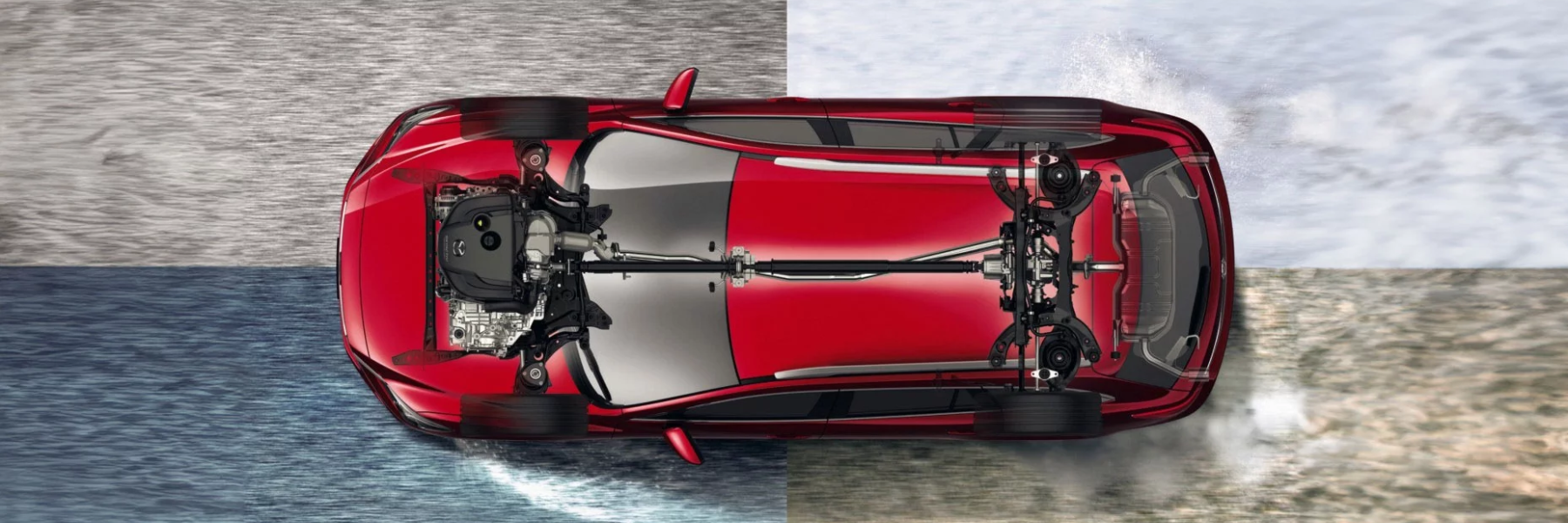
Bad weather exposes what a vehicle can and can't do. If you drive through snow, slush, or pounding rain, the real question is simple: does Mazda i-Activ make those trips safer and easier?
In many cases, yes. The system is built to help your Mazda find traction early, often before wheel slip turns into a bigger problem. That can make starts, steady cruising, and gentle cornering feel calmer.
Still, i-Activ AWD isn't magic. Good tires, smart speed, and regular service matter more than any badge on the liftgate. That balance is what makes the system worth understanding.
What Mazda i-Activ AWD actually does in snow and heavy rain
Mazda i-Activ AWD is designed to watch what the vehicle and driver are doing, then send power where it can do the most good. In plain English, it looks for signs that grip may change, such as steering input, throttle use, wheel behavior, and slick road conditions. Then it adjusts power between the front and rear wheels as needed.
That matters because traction problems often begin before you feel a dramatic slide. On a snowy morning or a rain-soaked road, small changes happen fast. A good AWD system reacts early, so the vehicle stays more settled.
Drivers shopping for a bad-weather-friendly Mazda often look at models such as the Mazda CX-5 with standard AWD, because the system is part of the everyday driving experience, not just a feature you notice in a storm.
It can send power where grip is better before you feel a big slip
This is one of the strongest parts of Mazda i-Activ. When you pull away from a stop on packed snow, wet pavement, or a slushy incline, the system can shift power before the front tires spin hard and scrub for grip.
That early response helps the vehicle move off with less drama. You may notice fewer moments where the engine revs and the car hesitates. On a slick hill, that can be the difference between climbing smoothly and feeling the tires search for traction.
The benefit shows up in small moments, too. Leaving a stoplight in cold rain, backing out of a snowy driveway, or merging onto a wet road can feel more controlled.
It helps the vehicle feel more planted in bad weather
Mazda i-Activ AWD can also help the vehicle feel steadier once you're already moving. During gentle lane changes, mild curves, and light acceleration, it can support balance and composure when the road surface is slippery.
That doesn't mean the vehicle is glued to the road. It means the system helps reduce the loose, unsettled feel that can happen when grip changes from one patch of pavement to the next. In heavy rain, for example, that extra stability can make the drive feel less tiring.
What Mazda i-Activ AWD does not do, even in a capable Mazda

AWD has limits, and this is where many drivers get tripped up. Mazda i-Activ AWD can help you go, and it can help the vehicle stay more composed, but it does not erase physics. Road surface, tire grip, speed, and driver judgment still decide what happens next.
Mazda i-Activ AWD adds traction support, while tire grip and driver choices still control the outcome.
A vehicle can feel confident right up until it reaches the limit of available traction. That limit may arrive sooner than expected on ice, standing water, or deep slush. When that happens, AWD can't invent grip that isn't there.
All wheel drive does not help you stop like winter tires do
This is the biggest misunderstanding. AWD helps the vehicle put power down. Braking is different. When you hit the brakes on snow or in heavy rain, the grip from your tires matters far more than the drive system.
Winter tires stay more flexible in cold weather, and their tread is built to bite into snow and move slush away. In heavy rain, healthy tread also helps channel water out from under the tire. Worn tires lose that advantage fast.
So, a Mazda with AWD and worn all-season tires may pull away from a stop well enough, yet still need a long distance to stop. That's why Mazda tire service for i-Activ AWD winter traction matters so much. Fresh tread helps every part of the vehicle work better.
It cannot save you from driving too fast for conditions
Speed shrinks your margin for error. In heavy rain, even AWD vehicles can hydroplane if they hit standing water too fast. On winter roads, icy bridges, frozen overpasses, and deep slush can upset the vehicle before the system has much to work with.
Sharp steering inputs also create problems. So do sudden braking and hard acceleration. Smooth driving gives the tires the best chance to hold on.
That means slowing down earlier, leaving more space, and being patient with the throttle. If conditions are ugly, AWD supports good habits. It does not replace them. When the road is polished ice or visibility is near zero, the best decision may be to wait.
How to get the most from Mazda i-Activ AWD in real-world driving
The best bad-weather setup starts with the basics. Mazda i-Activ AWD can only use the grip your tires and brakes allow, so ownership habits matter more than many drivers think.
The right tires, tread depth, and maintenance matter more than most drivers think
If you live where winters are harsh, dedicated winter tires are often the biggest improvement you can make. If you stay with all-season tires, watch tread depth closely and replace them before they become marginal.
Proper tire pressure matters, too, because cold air lowers pressure. Low pressure changes how the tire meets the road, and that can hurt traction and braking. Brake condition is just as important. A strong AWD system doesn't help much if your stopping power is weak.
Battery health also matters in winter. Cold weather stresses batteries, and a weak battery can turn a rough morning into a no-start day. Keeping up with routine service helps your Mazda stay ready when the weather turns.
Drivers who want AWD confidence in a smaller package often compare the Mazda CX-30 with standard i-Activ AWD, especially if they deal with mixed rain, snow, and city driving.
Simple driving habits that make a big difference in bad weather
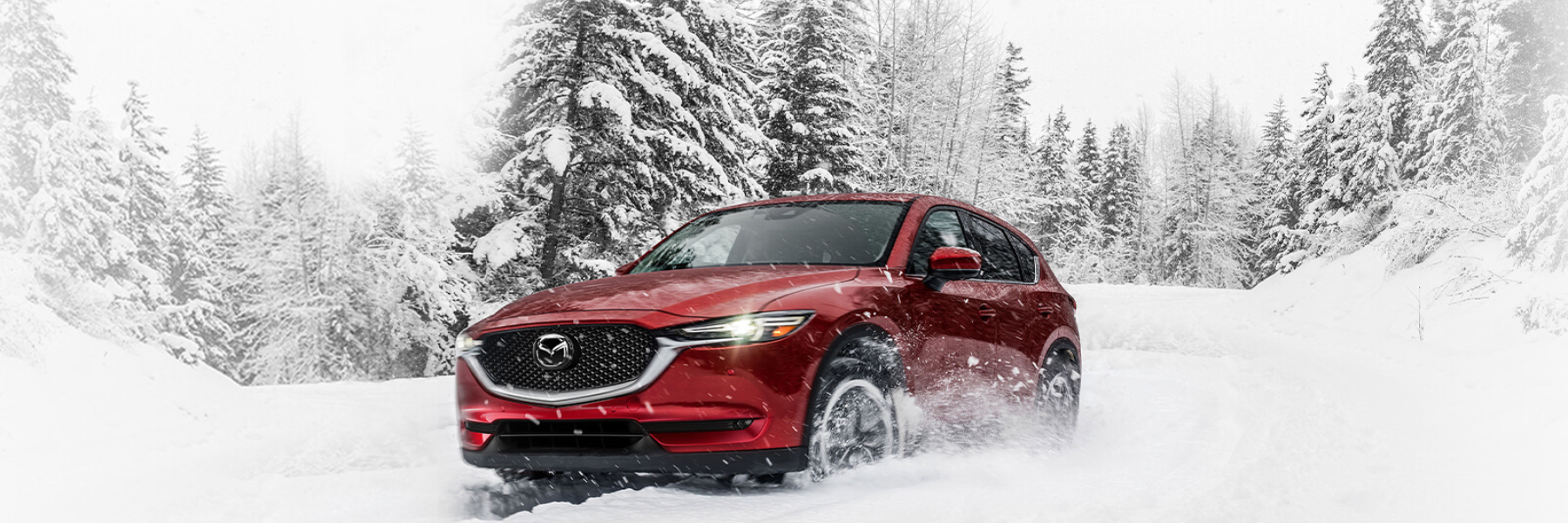
Bad-weather driving is smoother driving. Ease into the throttle. Make steering inputs earlier and more gently. Leave extra following distance, because braking takes longer on cold, wet, or snowy roads.
Clear snow and ice from the roof, hood, lights, and windows before you leave. That improves visibility and keeps loose snow from sliding onto the windshield when you brake.
It also helps to know when conditions are beyond any vehicle's comfort zone. AWD improves confidence, but confidence should never become false security.
Mazda i-Activ AWD is a strong tool for snow and heavy rain. It helps your vehicle find traction sooner and feel more settled when roads turn slick.
The full picture is simple: good tires, careful driving, and regular service still matter most. If you're shopping for a Mazda that fits your weather and your routine, or you want to keep your current one ready for the next storm, Bill Marine Mazda is a smart place to buy and service with confidence.